
Seller guide
How cash home offers are evaluated in New Jersey
The price is only one line of the offer. Here is what actually drives the number, and how to compare offers like someone who has done this before.
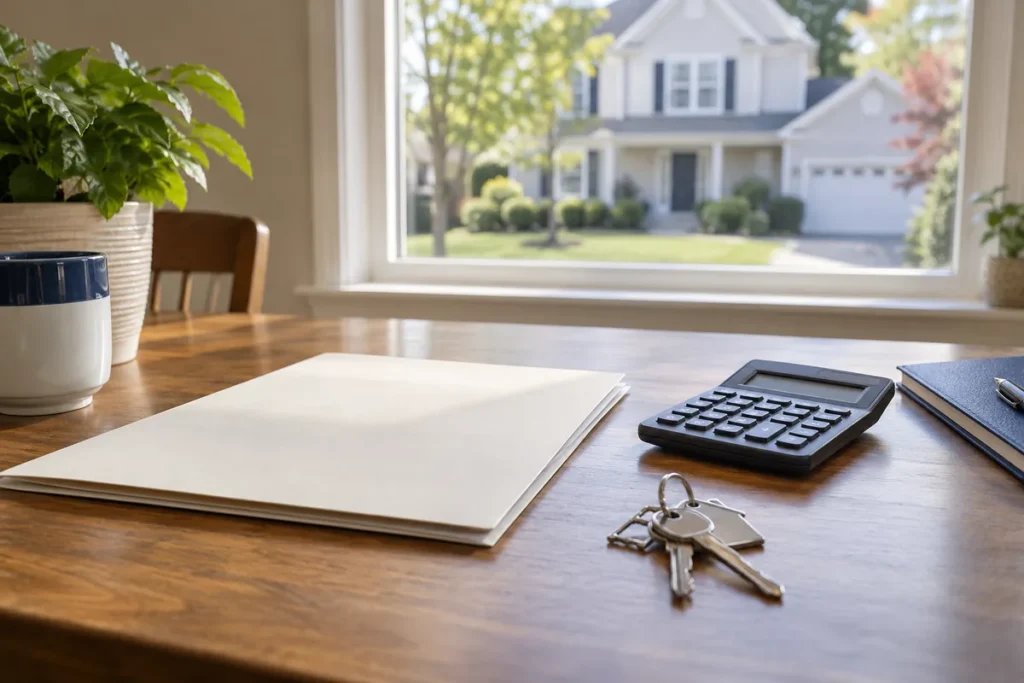
Compare the complete offer.
Property condition, relevant sales and the proposed agreement all affect an offer. Compare estimated proceeds, responsibilities and conditions alongside the price.
Selling in Middletown? Middletown House Did Not Sell? Move Forward With an As-Is Cash Offer.
Selling in Brick? Your Brick House Did Not Sell? Move Forward With an As-Is Cash Offer.
If an earlier selling attempt did not work, explore our Millstone unsold-house guide or our Holmdel unsold-house guide.
If your earlier sale did not work out, explore our Matawan unsold-house guide or our South Amboy unsold-house guide.
If a previous attempt to sell your Toms River house did not work out, explore our Toms River unsold-house guide.
Have an oil-tank question as part of the sale? Explore selling a New Jersey house with an oil tank or oil-tank removal before selling.
Every serious offer starts with the same math
A credible cash buyer works backward from what the house will be worth after the work is done. Subtract the cost of that work, the carrying and transaction costs, the risk of surprises, and the buyer’s margin, and you have the offer. There is no mystery formula, and any buyer who cannot explain their math is telling you something.
That is why the details you share up front matter. Type and layout, age, major systems, deferred maintenance, what stays behind, who lives there, and any known title or municipal issues all feed the number. Accurate information early gets you a sharper offer and fewer surprises later.
Comparable sales need careful reading
Recent closed sales anchor the value, but the nearest sale is not automatically the most relevant one. Condition, size, style, the block itself, schools, lot, flood exposure, taxes, and the circumstances of each sale all change what a comp is worth as evidence.
Ask any buyer which sales informed their estimate and how they adjusted for the differences. A good answer sounds specific. A bad answer sounds like a script. And remember that a resale assumption has to include the time and money it takes to get the house to that market, which is exactly the work you are choosing to skip.
Condition costs more than a contractor quote
Repair math is bigger than materials and labor. Permits, design, cleanup, financing, insurance, utilities, and months of holding time all ride along, and unknown conditions add risk on top. That full stack of cost and risk is what an as-is buyer absorbs so you do not have to.
One caution: “as-is” in conversation is not “as-is” in a contract. If the buyer keeps inspection or due-diligence rights, read exactly what those clauses allow after the offer is signed. The agreement should say what condition is being accepted and who is responsible for contents, municipal requirements, and the property until closing.
The transaction details move the number too
Liens, unresolved title, multiple owners, estate authority, tenants, judgments, open permits, solar agreements, or a request to stay after closing all shape what a buyer can offer and how fast things can move. A buyer needs to evaluate each issue before deciding whether a purchase is workable. Share known complications early so the proposed terms reflect the property and the transaction.
Put the complications on the table early and let the professionals do their jobs. A New Jersey real estate attorney can tell you how the facts affect your rights and timeline, and a buyer worth working with will want them involved.
Compare net proceeds, not headlines
The winning offer is the one that puts the most money in your pocket with the least risk of falling apart, and neither of those is the headline price. Start with each option’s price, then subtract commissions, credits, seller-paid costs, repairs or preparation, carrying costs, and payoffs. That is your real number for each path.
Then weigh certainty. An offer with broad cancellation or price-adjustment rights is worth less than the same number with narrow conditions. Check the deposit, who holds it, when it goes hard, and what happens if the buyer does not close. A slightly lower number that actually closes beats a bigger one that evaporates in week six.
Put this guide into a selling plan.
Find the questions for your address in our New Jersey service-area directory. For repairs, inheritance or an occupied rental, start with the selling-situations guides.
Keep these questions together.
- The proposed price and estimated proceeds
- Seller costs, credits and payoffs
- Inspection, access and cancellation conditions
- Closing date and possession assumptions
Use the list to prepare a conversation, then confirm the details for your own property.
Your next step
Discuss your property with us.
Start with the address. We review the property and your plans before preparing a written offer. You decide whether to move forward.
Request an Offer